
wts // electronic - News
wts // electronic
evertiq expo Berlin 2026
Besuchen Sie uns auf der evertiq expo in Berlin!
mehr ...
Knowles (Brands NOVACAP, SYFER)
Neue Keramikkondensatoren und Systemlösungen stärken Marktposition in Industrie, Medizintechnik und Luft- und Raumfahrt
wts // electronic components verbindet technologische Trends mit internationaler Herstellerkompetenz und schafft nachhaltigen Kundennutzen mehr ...
Veröffentlicht am 19.09.2025wts // electronic
Das Spezielle ist unser Normal: die wts electronic components feiert 33-jähriges Firmenjubiläum.
Der Spezialist für elektronische Komponenten aus der Wedemark im Raum Hannover feiert sein krummes Firmenjubiläum: „Bei Leistung, Service und Innovation sind wir immer ganz vorne mit dabei, da kann das Firmenjubiläum auch ein bisschen später kommen.“
mehr ...
e-switch
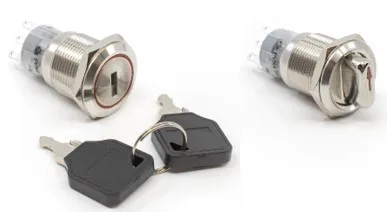
Key-Lock Anti-Vandal PVK4 Series
Highlight Features:
This new Anti-Vandal Switch features both a Keylock and Selector actuator, including multiple 2 - 3 positions with Maintained (IP65) and Return (IP40) functions, making it an incredibly versatile switch.
Standard Features:
The PVK4 is available in both SPDT and DPDT functions with a panel cutout size diameter of 19mm. When visibility is key,
the Selector actuator can accommodate various illuminated options ranging from White, Red, Orange, Green, Blue, and Yellow with multiple illumination voltage options from Base Voltage all the way up to 250V. Non-illuminated versions are also available, depending on your preferred configuration.
Applications:
The aesthetic and durable stainless-steel design of the PVK4 makes it an excellent choice when functionality and reliability are necessary for challenging environments. Some applications for this well-rounded switch include Audio
Visual Equipment, Security Devices, Industrial Controls, Kiosks, Electrical Housewares, and Medical Equipment.
mehr ...

e-switch
DO YOU NEED A SWITCH?
NEW PRODUCT CATALOG
E-Switch produces switches for almost any market, with our rocker switches being a favorite for the industrial market, our tactile switches being used in consumer products, and our slide and pushbutton switches being featured in telecommunications equipment. Our anti-vandal switches are perfect for the medical and healthcare industry as well as the transportation industry, as they are protected from dust and moisture and have long life expectancies. And the E-Switch line of illuminated pushbutton switches often finds their way onto control panels in the instrumentation industry. mehr ...
131 News
News nach Kategorien filtern
wts // electronic – Linecard
Unser Portfolio im Überblick. Hier finden Sie alle hochwertigen Produkte und deren namhafte Hersteller
Aktuelle Linecard als Download